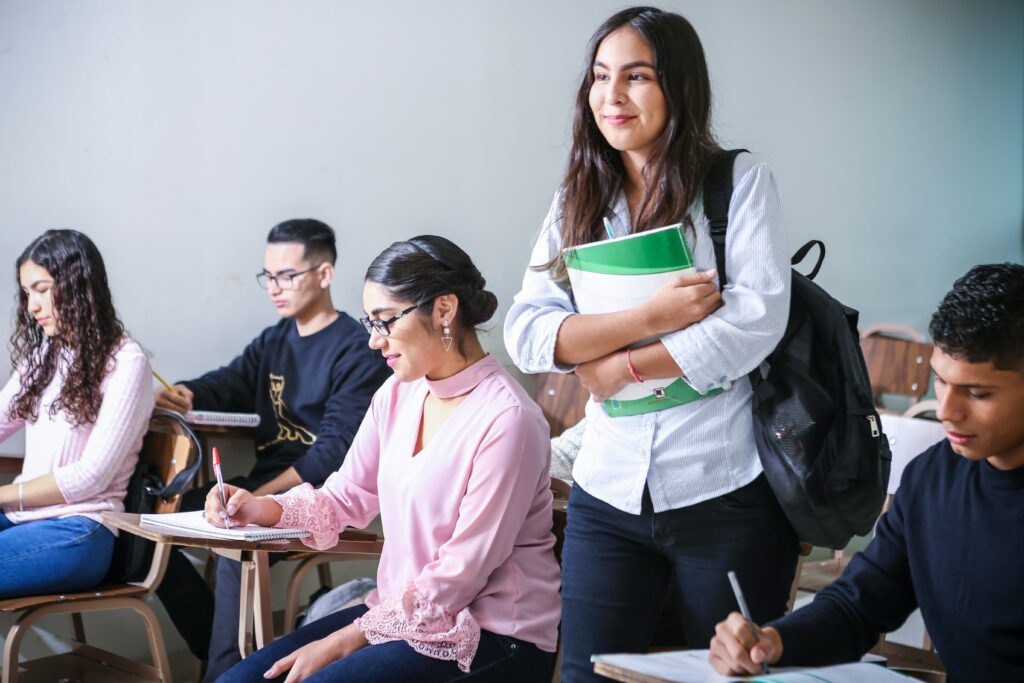
Для иностранных студентов, планирующих обучение в Испании, открываются широкие возможности для академического и профессионального развития. Согласно новому законодательству, иностранные студенты теперь могут получить долгосрочный студенческий вид на жительство, который позволяет легально проживать в Испании на протяжении всего периода учёбы.
В этом материале, подготовленном экспертами Klev&Vera, вы найдете подробное объяснение условий, требований и преимуществ этого разрешения.
Что такое студенческий вид на жительство в Испании
Студенческий вид на жительство в Испании предназначен для граждан стран, не входящих в ЕС, ЕЭЗ или имеющих гражданство Швейцарии, а также для членов их семей, не имеющих статуса граждан Европейского союза. Он дает право на проживание в Испании более 90 дней для получения высшего или среднего профессионального образования.
Новый закон устанавливает дополнительные правовые условия, которым студент должен соответствовать для получения разрешения на проживание в Испании.
При старте процесса для приезда в Испанию с академическими целями важно различать термины"виза" и "разрешение":
-
Студенческая виза: Её необходимо запрашивать в консульстве Испании в стране вашего происхождения или законного проживания. Виза проставляется в паспорт и даёт право на законный въезд в Испанию с учебной целью. Если срок пребывания превышает шесть месяцев, после прибытия в Испанию вы обязаны оформить карту иностранца (TIE).
-
Разрешение на пребывание с целью обучения: Оформляется непосредственно в Испании, если человек уже находится в стране как турист или на основании другого типа разрешения. В этом случае заявление подаётся в иммиграционное управление (Oficina de Extranjería) провинции, где будет проходить обучение. После одобрения выносится положительное решение, и при необходимости также оформляется карта TIE.
Хотя технически это разные процедуры, на практике часто используется обобщённый термин студенческая виза для обозначения обоих процессов — независимо от того, начинается ли оформление за пределами Испании или уже на её территории.
Разрешение на пребывание или вид на жительство для студентов?
В иммиграционных вопросах также крайне важно различать понятия разрешения на пребывание и вида на жительство, поскольку они предполагают разные права, требования и цели. Понимание этого различия является ключевым для выбора правильной процедуры в зависимости от академических или профессиональных целей каждого человека.
Разрешение на пребывание, также известное как студенческое разрешение, позволяет иностранному гражданину находиться в Испании в течение определённого периода, как правило, для конкретных целей, таких как обучение, стажировки, научные исследования или программы обмена. Оно не предполагает намерения постоянно проживать в стране и, с юридической точки зрения, не считается проживанием (видом на жительство) для целей получения гражданства или статуса долгосрочного резидента.
В отличие от этого, вид на жительство разрешает человеку постоянно проживать в Испании с намерением остаться на длительный срок. Он может быть временным или долгосрочным и засчитывается как законное проживание, предоставляя доступ к дополнительным правам, таким как воссоединение семьи или подача заявления на гражданство, среди прочего.
Иностранным студентам в Испании предоставляется разрешение на пребывание с целью обучения, которое позволяет им находиться в стране на время получения образования. Однако оно не приравнивается к виду на жительство и, следовательно, не предоставляет тех же прав и не засчитывается для получения таких преимуществ, как долгосрочный вид на жительство или гражданство.
Хотя часто можно услышать выражения вроде «студенческий вид на жительство» или «проживание для учёбы», важно отметить, что эти термины не соответствуют официальной юридической терминологии, установленной испанским законодательством.
Кто может подать заявление на студенческое разрешение на проживание
Если вы являетесь гражданином страны, не входящей в ЕС, ЕЭЗ или Швейцарию, вы можете подать заявление на данное разрешение, если были зачислены в признанное испанское учебное заведение для получения высшего образования, послесреднего образования (после обязательного), участия в программах международной мобильности, волонтёрства, учебной подготовки (таких как ассистентство по языкам, языковые курсы, подготовка к экзамену MIR, получение сертификатов технической квалификации или профессиональной аккредитации, профессиональные сертификаты) либо программ в сфере здравоохранения.
Требования для получения высшего образования
- Вы должны быть зачислены в признанное высшее учебное заведение на очную программу, ведущую к получению официально признанной степени высшего образования.
- Это включает университетские программы, предлагаемые аккредитованными вузами, а также магистерские программы профессионального образования (Máster de Formación Profesional).
- Под «признанным учреждением или центром высшего образования» понимаются аккредитованные учреждения или аффилированные с признанными центрами, а также зарегистрированные в Реестре учреждений и центров высшего образования, Реестре университетов, центров и дипломов, Государственном реестре неуниверситетских образовательных центров или соответствующих официальных реестрах.
Университетское обучение может проходить в очном или гибридном формате; остальные программы высшего образования также могут быть очными или гибридными при условии, что не менее 50% обучения проходит очно.
Требования для получения послесреднего образования (после обязательного)
- К таким программам относятся Bachillerato, среднее профессиональное образование (профессиональное художественное образование: музыка/танец), образование в области изобразительного искусства и дизайна, спортивное образование, а также подготовка специалистов.
- Обучение должно проходить в авторизованном учебном центре в рамках очной программы и приводить к получению признанной квалификации.
- Учебное заведение должно быть включено в Национальный реестр неуниверситетских образовательных центров или соответствующие официальные реестры.
Обучение может проходить очно или в смешанном формате при условии, что не менее 50% программы является очным.
Требования для других видов обучения
Для программ международной мобильности, волонтёрской деятельности, учебной подготовки или программ в сфере здравоохранения законодательство также требует, чтобы они проводились в официальных центрах и/или центрах, зарегистрированных в соответствующих реестрах. В случае языковых курсов важно учитывать, что учебный центр должен быть аккредитован Институтом Сервантеса или аналогичной организацией в зависимости от изучаемого языка.
Разграничение различных видов обучения важно для определения порядка подачи заявления и характеристик разрешения на пребывание. Если заявитель уже не имеет другого вида на жительство в Испании, то подать заявление изнутри страны можно только на обучение в сфере высшего образования, здравоохранения, а также на программы получения технической или профессиональной квалификации — при условии, что заявителю исполнилось 18 лет. Во всех остальных случаях заявление подаётся через Консульство.
Если вы планируете подать заявление из Испании, оно должно быть подано не позднее чем за два месяца до окончания вашего текущего законного статуса и до начала обучения. При подаче через Консульство заявление необходимо подать минимум за два месяца до начала курса.
Кроме того, срок действия «студенческой визы» соответствует продолжительности обучения, но не более одного года, за исключением программ высшего образования и обучения в сфере здравоохранения, где разрешение может быть выдано на весь срок программы.
Тип обучения также влияет на возможность продления разрешения. Для высшего образования и послесреднего образования допускается два продления. В случае волонтёрства, языковых курсов или подготовки к экзамену MIR допускается только одно продление.
Кроме того, обладатели «студенческой визы» для высшего образования автоматически получают право на работу — как по найму, так и в качестве самозанятых — без необходимости оформления дополнительного разрешения, с определёнными ограничениями, которые будут рассмотрены далее.
Понимание этих понятий крайне важно перед рассмотрением практических и дополнительных преимуществ данного вида долгосрочного разрешения на пребывание для обучения в Испании (часто называемого «студенческим видом на жительство» или «студенческой визой»).
Преимущества долгосрочного разрешения на обучение в Испании
При выполнении всех требований данное разрешение на длительное пребывание для учёбы предоставляет ряд преимуществ: возможность законно находиться в Испании более 90 дней в течение учебного года; право работать до 30 часов в неделю при условии совместимости с учёбой; доступ к учебным и внеучебным стажировкам; возможность воссоединения с семьёй; передвижение по Шенгенской зоне; возможность продления разрешения и др.
1. Законный статус пребывания
Основная цель данного разрешения — обеспечить законное пребывание в Испании на период обучения. В зависимости от типа программы разрешение может покрывать весь срок обучения.
Этот статус обеспечивает правовую защищённость студента и позволяет заниматься учебной деятельностью без нарушения миграционного законодательства.
2. Профессиональная интеграция
Как упоминалось ранее, разрешение на пребывание для обучения в сфере высшего образования автоматически предоставляет право на работу — по найму и в качестве самозанятого — без дополнительной процедуры. Студенты послесреднего образования могут участвовать в учебно-практической деятельности в рамках профессиональных программ.
Рабочая занятость не может превышать 30 часов в неделю, за исключением интенсивных программ профессионального обучения.
3. Воссоединение семьи
Студенты могут пригласить членов семьи для проживания в Испании. При обучении в сфере высшего образования члены семьи могут подать заявления одновременно со студентом или позднее, при условии, что до окончания разрешения остаётся не менее 90 календарных дней.
Срок действия разрешений членов семьи совпадает со сроком студента, однако они не имеют права на работу.
Под «членами семьи» понимаются супруг(а), зарегистрированный партнёр или надлежащим образом подтверждённый постоянный партнёр, несовершеннолетние дети, совершеннолетние дети на иждивении, а также лица, оказывающие помощь в случае инвалидности или болезни.
Критерии и требования для получения разрешения на обучение
Помимо основных характеристик, для получения долгосрочного разрешения на пребывание для обучения необходимо соответствовать ряду базовых требований испанского законодательства:
-
Не находиться в Испании нелегально на момент подачи заявления.
-
Подтвердить отсутствие заболеваний, представляющих серьёзную угрозу общественному здоровью в соответствии с Международными медико-санитарными правилами 2005 года.
-
При подаче через Консульство быть совершеннолетним либо не моложе 17 лет для высшего образования.
-
При подаче из Испании (возможно только для высшего образования) быть совершеннолетним и иметь законный статус.
-
Подать заявление минимум за два месяца до начала обучения и до окончания законного пребывания, за исключением особых обстоятельств.
-
Иметь достаточные финансовые средства для покрытия расходов на проживание, возвращение на родину и содержание сопровождающих членов семьи.
-
Иметь действующую медицинскую страховку в Испании с покрытием, аналогичным государственной системе здравоохранения.
-
При пребывании более шести месяцев и при достижении возраста уголовной ответственности не иметь судимостей в Испании и странах проживания за последние пять лет.
-
Оплатить соответствующую государственную пошлину.
-
Для членов семьи предоставить подтверждение родственных связей.
-
При пребывании более шести месяцев лично оформить карту иностранца (TIE) в течение одного месяца после въезда в Испанию.
Все документы должны быть легализованы или апостилированы и переведены на испанский язык или соофициальный язык автономного сообщества присяжным переводчиком, аккредитованным Министерством иностранных дел Испании (MAEC).
Команда Klev&Vera готова сопровождать вас на каждом этапе процесса и обеспечить полное соответствие документации требованиям.
Каков процесс подачи и продления заявления?
В зависимости от ситуации заявление может быть подано из Испании или из-за рубежа и должно быть подано минимум за два месяца до начала обучения. При подаче из Испании — также не позднее чем за два месяца до окончания законного статуса.
Важные особенности:
- Заявления из Испании могут подаваться в электронном виде.
- Несовершеннолетние могут подавать заявления только из-за рубежа лично через законного представителя.
После подачи заявления и при выполнении всех требований решение должно быть вынесено в установленный срок: один месяц — при подаче из-за рубежа и два месяца — при подаче из Испании. Однако задержки случаются часто.
Продление разрешения возможно за два месяца до истечения срока и в течение трёх месяцев после его окончания при подтверждении продолжения обучения.
Возможности после окончания обучения
После завершения учёбы многие иностранные студенты рассматривают возможность остаться в Испании. В зависимости от планов существуют различные варианты:
- Продолжить обучение или получить разрешение на поиск работы
- Работать в Испании
Существуют разрешения на работу, которые зависят от целей и квалификации заявителя. Ниже представлены наиболее распространённые варианты виз для работы в Испании:
- Виза для высококвалифицированных специалистов: предназначена для лиц, которые имеют предложение о работе в Испании на техническую или управленческую должность с минимальной зарплатой 40 100 € (54 200 € для руководителей), либо ниже для лиц младше 30 лет. Требуется наличие диплома о высшем образовании или как минимум трёх лет опыта работы в соответствующей области. Визу можно оформить как в Испании, так и за ее пределами. Срок действия — три года с возможностью продления. Подробнее: Как получить разрешение на работу для высококвалифицированных специалистов — Klev&Vera.
- Стандартное разрешение на работу: предназначено для лиц, которые имеют предложение о работе, но не соответствуют требованиям визы для высококвалифицированных специалистов. Основное условие — наличие предложения от испанского работодателя по одной из профессий, включенных в официальный каталог труднодоступных вакансий. Заявление на разрешение подается работодателем в Испании. Первоначально разрешение выдается сроком на один год, а после продления — на два года. Подробнее: Как получить стандартное разрешение на работу в Испании — иммиграция и трудовые визы — Klev&Vera.
- Виза для предпринимателей: Предназначена для тех, кто планирует реализовать в Испании инновационный или креативный бизнес-проект с высоким потенциалом роста и значением для экономики страны. К таким проектам относятся инициативы в областях технологий, науки, исследований, цифровой экономики или творческих индустрий. Бизнес-план должен быть одобрен государственной организацией ENISA, подтверждающей, что проект представляет собой инновационную деятельность, имеющую особый экономический интерес для Испании. Подать заявку можно как из-за рубежа, так и из Испании. Виза выдается сроком на три года с возможностью продления. Подробнее см. здесь: Как получить визу для предпринимателей в Испании — Klev&Vera.
- Разрешение на работу как самозанятое лицо (Autónomo): Предназначено для тех, кто не подходит под условия визы для предпринимателей, но хочет открыть собственное дело или заниматься любой другой профессиональной деятельностью, существующей на испанском рынке труда. Заявление подается через консульство или посольство Испании в стране вашего проживания. Виза выдается сроком на один год, а при продлении может действовать до четырех лет. Подробнее см. здесь: Как получить визу для самозанятых в Испании — Klev&Vera.
В Klev&Vera мы помогаем международным выпускникам выбрать оптимальный легальный путь после окончания учебы и сопровождаем их на каждом этапе процесса.
Ваш студенческий вид на жительство в Испании — вместе с Klev&Vera
Оформление студенческого вида на жительство в Испании может показаться сложным и запутанным, особенно если вы впервые сталкиваетесь с местными юридическими процедурами. Правильная поддержка помогает действовать уверенно и избегать ошибок на каждом этапе.
Мы поможем вам разобраться в процедуре, избежать ошибок и подать заявление в полном соответствии с актуальными нормами законодательства. Команда Klev&Vera предлагает индивидуальное сопровождение и берёт на себя все организационные вопросы — чтобы вы могли сосредоточиться на учёбе и адаптации к жизни в Испании.
Часто задаваемые вопросы о студенческом виде на жительство в Испании
Какие программы обучения подходят для оформления студенческого вида на жительство в Испании?
Разрешение охватывает официальные программы высшего образования, университетские квалификации, обучение по программам высшего художественного и профессионального образования, а также среднее профессиональное образование и старшую школу (Bachillerato). Учёба должна проходить в очной или смешанной форме — при этом не менее 50% занятий должны проводиться очно.
Например, если вы планируете пройти очную магистратуру в Барселоне, этот вариант студенческого разрешения вам подойдет идеально.
Как долго действует студенческий вид на жительство в Испании?
Для программ высшего образования — полная продолжительность академической программы. Для других случаев — продолжительность программы обучения, но не более одного года.
Сколько времени занимает рассмотрение заявления на получение студенческого вида на жительство?
Максимальный срок принятия решения составляет один месяц при подаче заявления из-за рубежа и два месяца — при подаче из Испании. Однако задержки являются обычным явлением, поэтому настоятельно рекомендуется начинать процесс заблаговременно.
Какие документы необходимы для подачи заявления на получение этого разрешения?
Вам потребуются: действующий паспорт, медицинская справка, подтверждение достаточных финансовых средств, медицинская страховка, действующая в Испании, справка о несудимости (если требуется), а также подтверждение зачисления или принятия в учебное заведение.
Можно ли работать во время учёбы по студенческому виду на жительство в Испании?
Да, разрешается работать до 30 часов в неделю, если это не мешает учебе.
Например, канадский студент MBA может работать до 30 часов в неделю в качестве консультанта в компании, расположенной в Барселоне, получая ценный опыт работы параллельно с учебой.
Какие есть возможности после окончания учебы в Испании? Можно ли остаться?
После завершения обучения у вас есть несколько вариантов:
-
подать заявление на разрешение на поиск работы
-
преобразовать вид на жительство в разрешение на работу
-
продолжить обучение в рамках высшего образования
Это значительно облегчает переход к профессиональной жизни в Испании.
-
Сколько раз можно продлить студенческую визу?
Для программ высшего образования разрешение можно продлить дважды. Для среднего профессионального образования допускается одно дополнительное продление.
Могут ли члены моей семьи сопровождать меня во время пребывания в Испании?
Да. В случае обучения в высшем учебном заведении члены вашей семьи могут подать заявление на получение соответствующих виз одновременно с вами или позднее, при условии, что срок действия вашего разрешения на обучение составляет не менее 90 календарных дней.
Что делать, если ваше заявление отклонено или вы не получили ответа?
Если ваша заявка будет отклонена, вы должны подать апелляцию в течение одного месяца с даты уведомления.
Наша фирма Klev&Vera сможет подготовить для вас апелляцию. Очень важно связаться с нами как можно скорее, чтобы было достаточно времени для надлежащей подготовки дела.
Почему важна специализированная юридическая поддержка в этом процессе?
Получение разрешения связано с необходимостью точно соблюдать все требования и проходить сложные процедуры, что может замедлить реализацию ваших планов при неправильном подходе. Опытный юрист помогает разработать индивидуальную стратегию, тщательно подготовить документы и заранее решить возможные проблемы.
В Klev&Vera мы знаем, как сложно ориентироваться в бюрократических процедурах за границей. Мы сопровождаем вас на каждом шаге процесса, следим за правильностью всех деталей и обеспечиваем поддержку, чтобы вы могли полностью сосредоточиться на учёбе и спокойно жить в Испании.
Если возникнут вопросы, свяжитесь с нами через контактную форму, телефон или email — наши эксперты окажут полную поддержку при получении студенческого разрешения.
Эта статья подготовлена в сотрудничестве с Самаа Ниази, членом команды юридической поддержки Klev&Vera.